
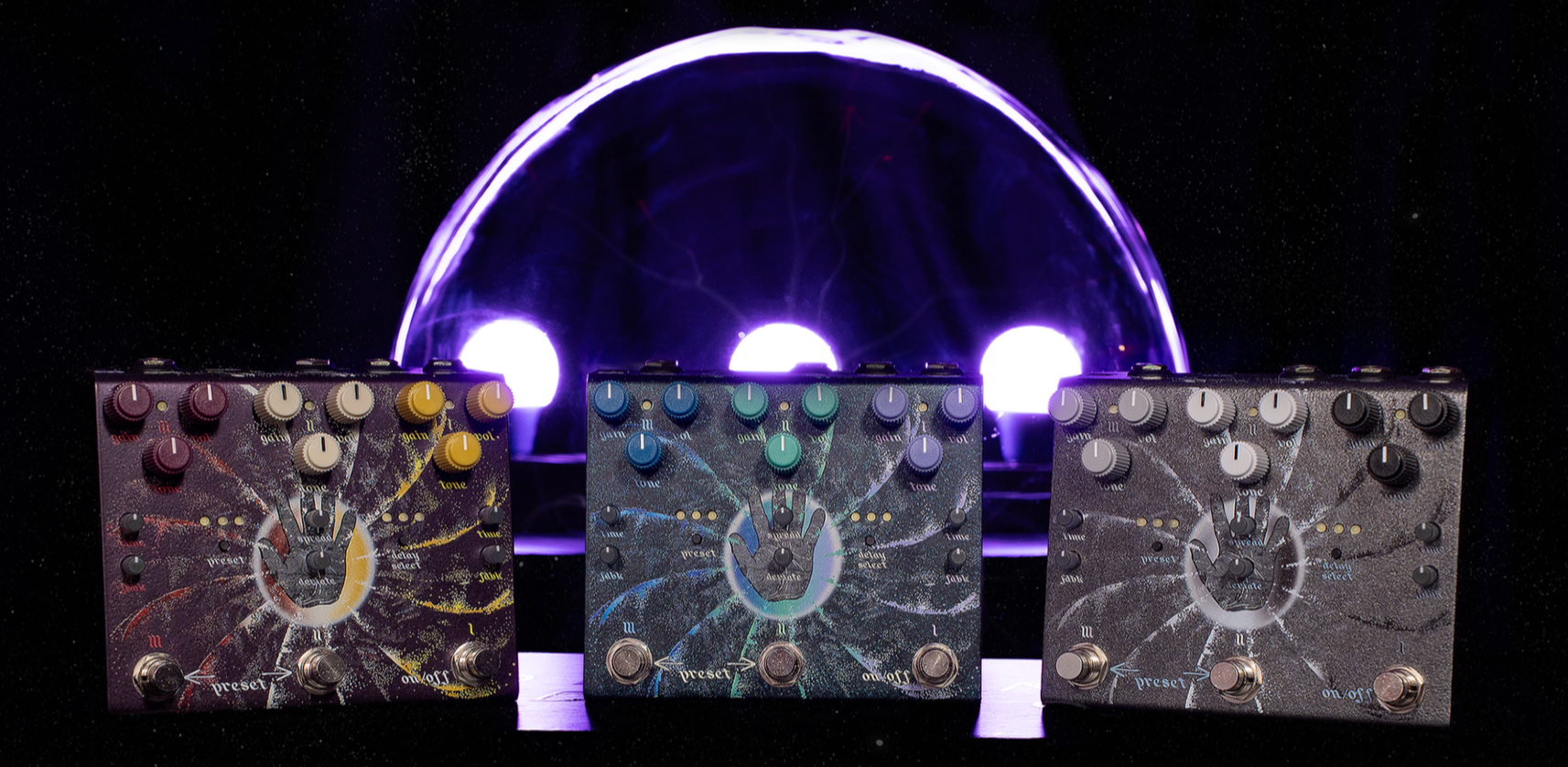

Beam Splitter takes one signal and makes three copies of it, taking three different overdrive voices and sending two of them through individual delay lines. It is specifically our way of creating a huge sound out of a regular one. Output can be kept in parallel mono, spread out in stereo, or further split into three outputs (what we call “trereo”). While the goal is singular bigness, you can create classic drives, flangers, lofi vibratos, trailing slapback echoes, and more using the full control set.
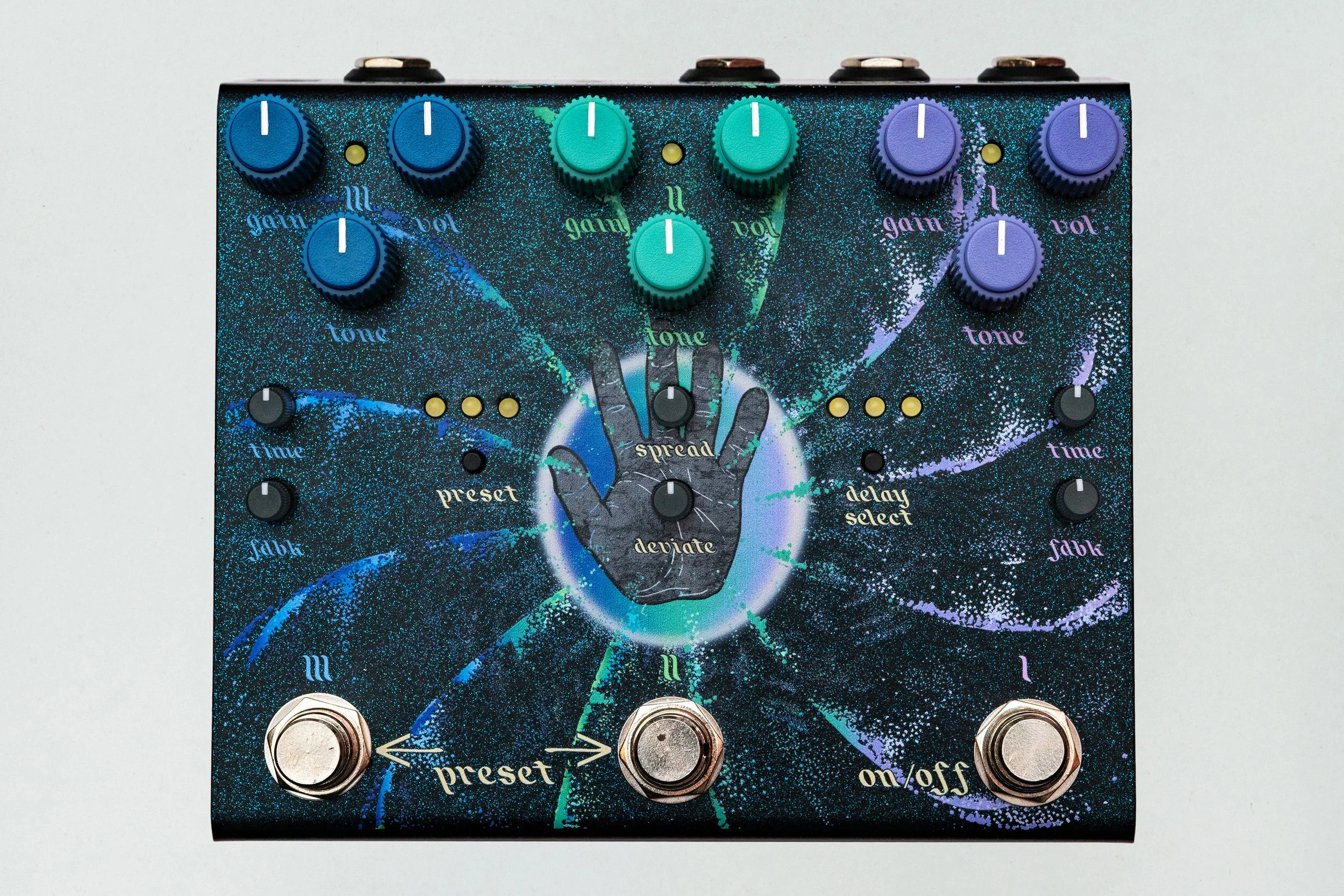
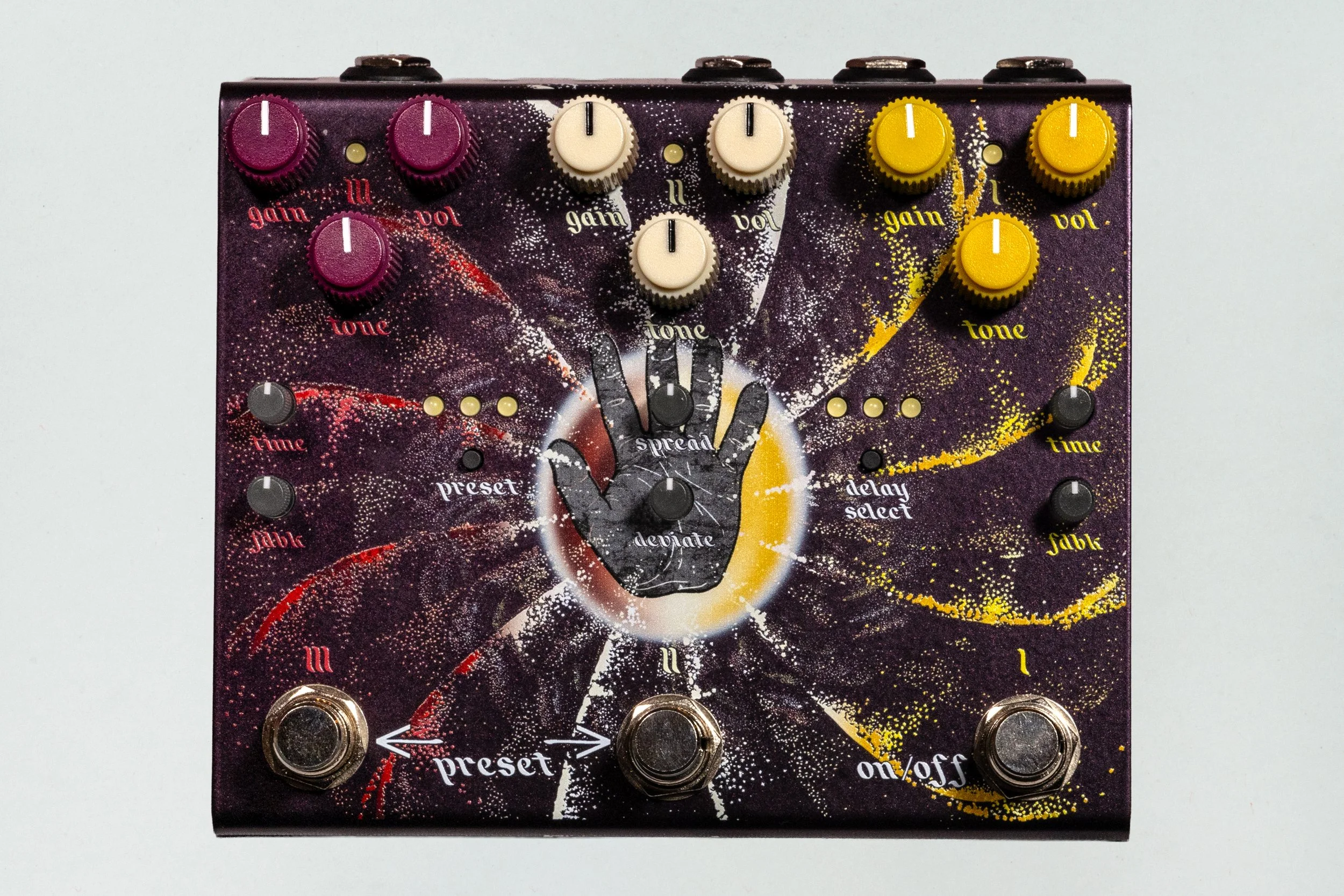
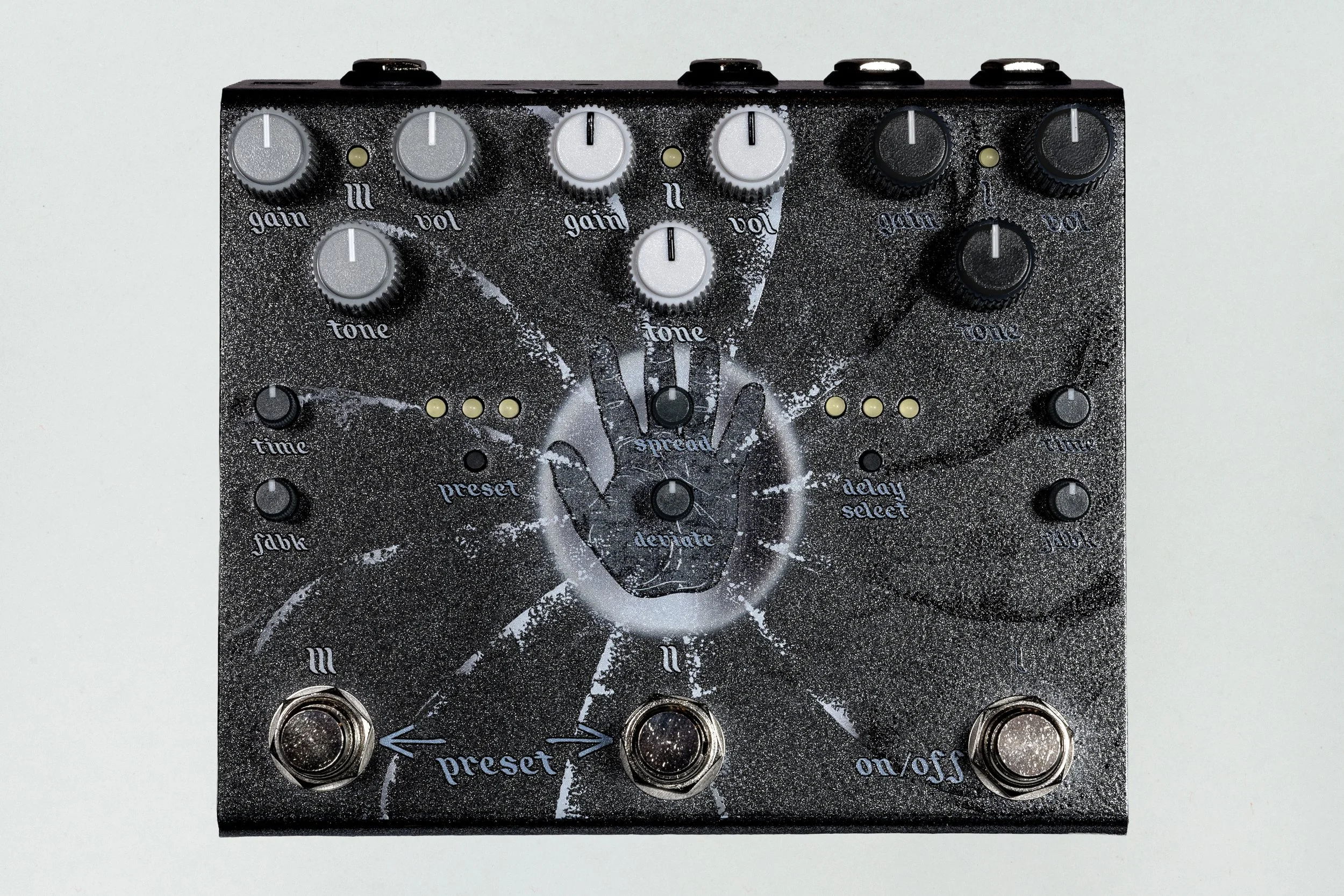
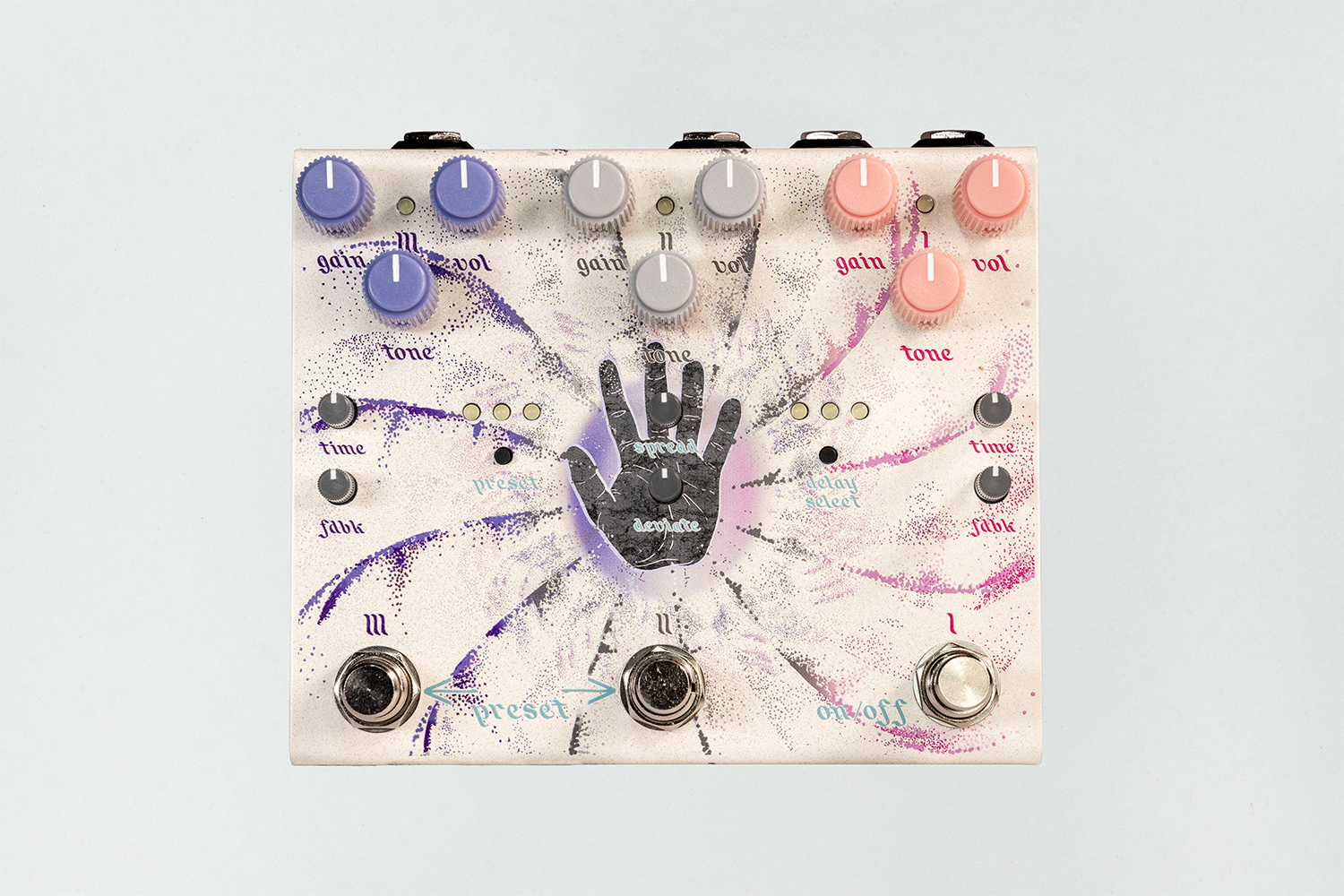
Beam Splitter takes one signal and makes three copies of it, taking three different overdrive voices and sending two of them through individual delay lines. It is specifically our way of creating a huge sound out of a regular one. Output can be kept in parallel mono, spread out in stereo, or further split into three outputs (what we call “trereo”). While the goal is singular bigness, you can create classic drives, flangers, lofi vibratos, trailing slapback echoes, and more using the full control set.
Beam Splitter V2 has:
Buffered trails or true bypass switching
Presets
Expression control over every knob
MIDI control over everything in the pedal
Mono or stereo input (stereo will be collapsed to mono when the pedal is on), and mono, stereo, or trereo output
Controls include:
Gain, Volume, and Tone to shape the amount of distortion, overall volume, and brightness of each drive section
Time and Feedback controls for each delay to set the timing (up to 211mS) and the amount of resonance or decay
Deviate to randomly vary the delay time, giving a more natural feel and chorus effect
Spread to set the amount of stereo spread
Delay Select to choose which drives are delayed
For more information, see the Beam Splitter V2 manual available here.
Requires 9V DC center negative 2.1mm jack power supply capable of 350mA (not included).
The art of Beam Splitter is by Dustin Charles.
Features
Buffered trails or true bypass switching
Presets
Expression control over every knob
MIDI control over everything in the pedal
Mono or stereo input (stereo will be collapsed to mono when the pedal is on), and mono, stereo, or trereo output
For more information, see the Beam Splitter V2 manual available here.
Controls
Gain, Volume, and Tone to shape the amount of distortion, overall volume, and brightness of each drive section
Time and Feedback controls for each delay to set the timing (up to 211mS) and the amount of resonance or decay
Deviate to randomly vary the delay time, giving a more natural feel and chorus effect
Spread to set the amount of stereo spread
Delay Select to choose which drives are delayed
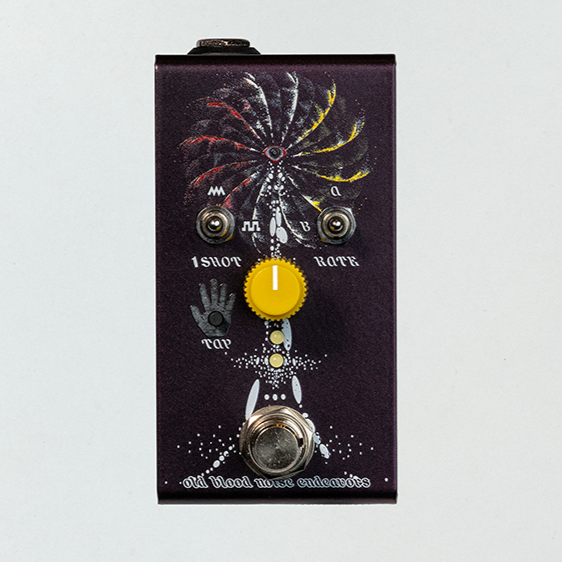
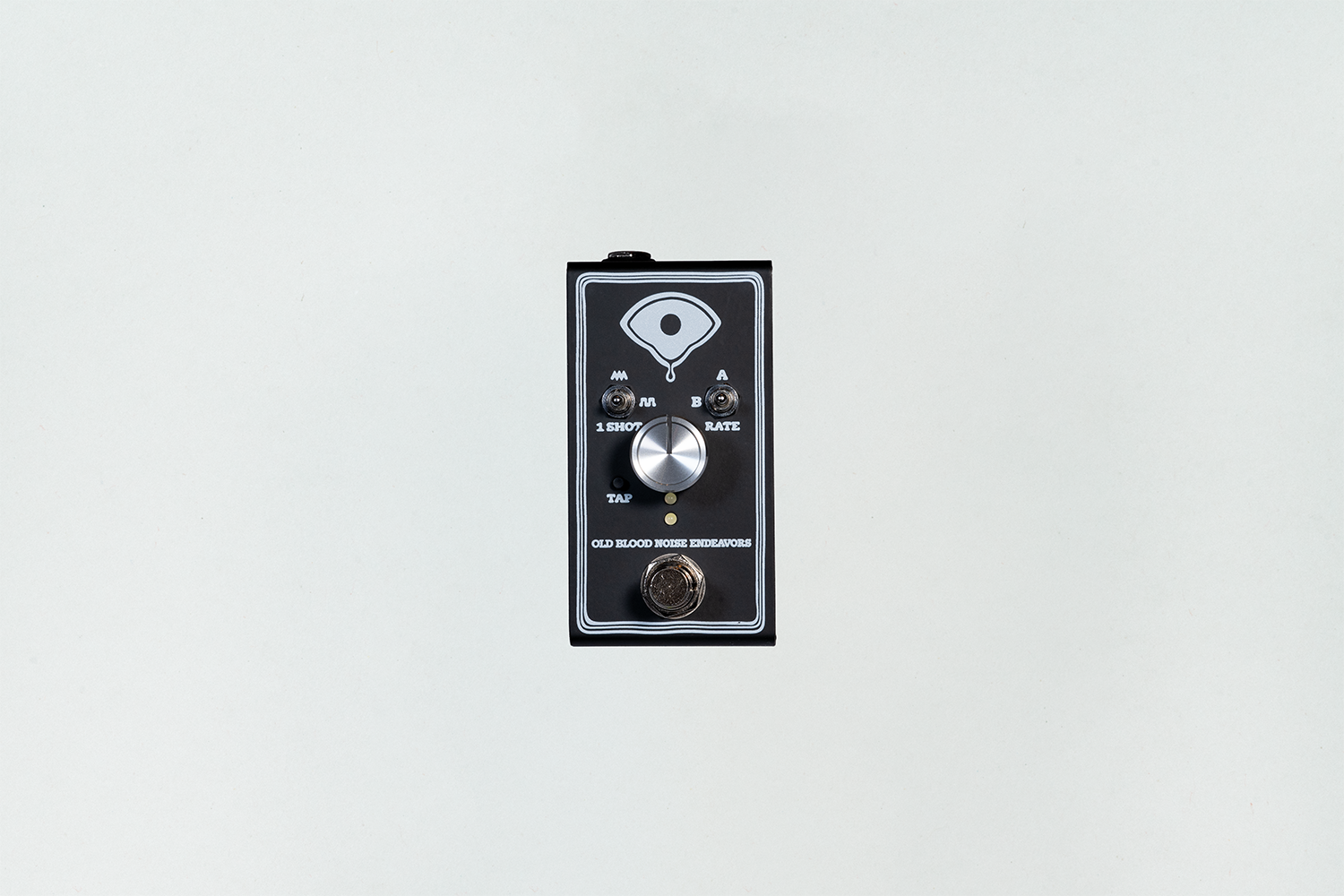
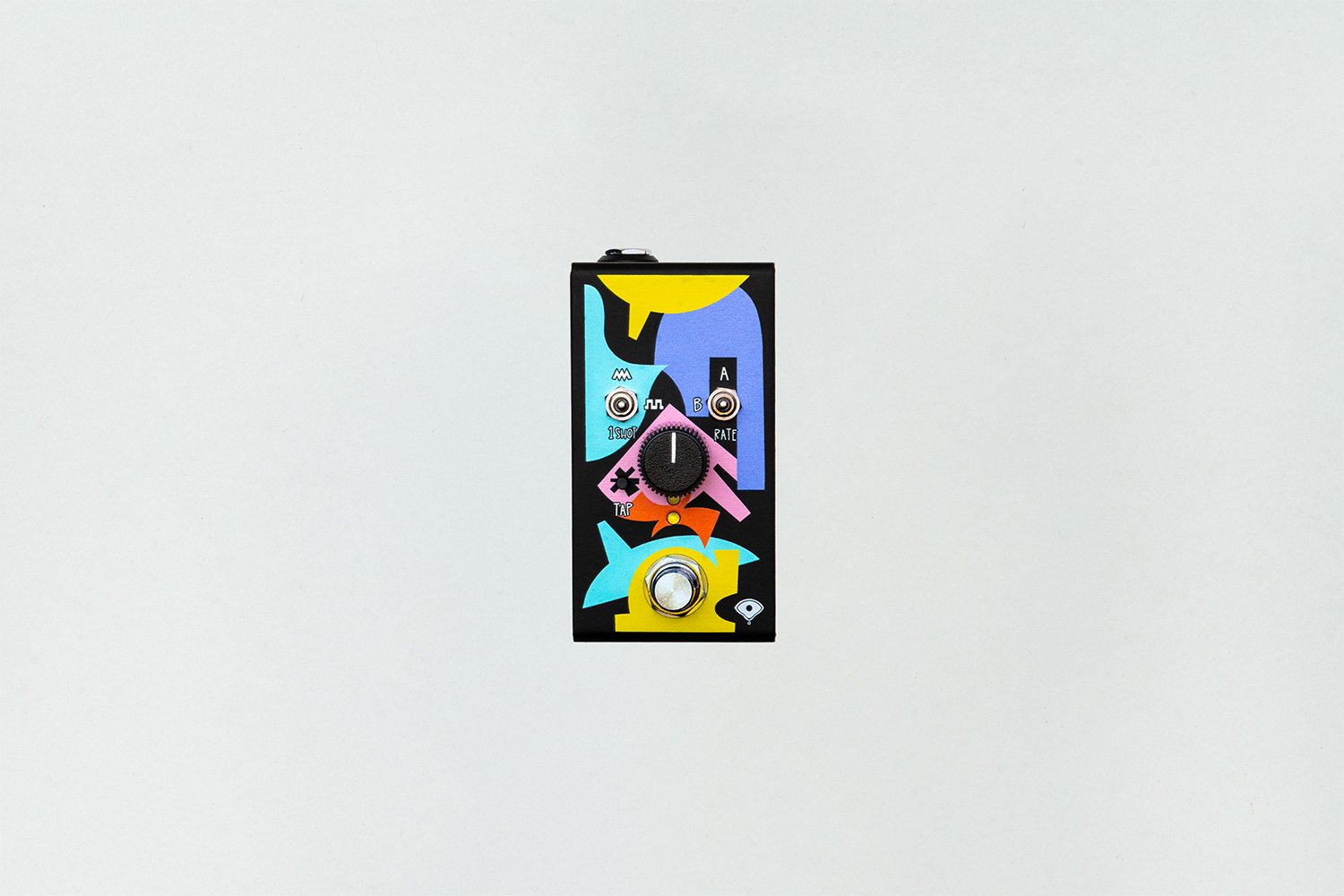
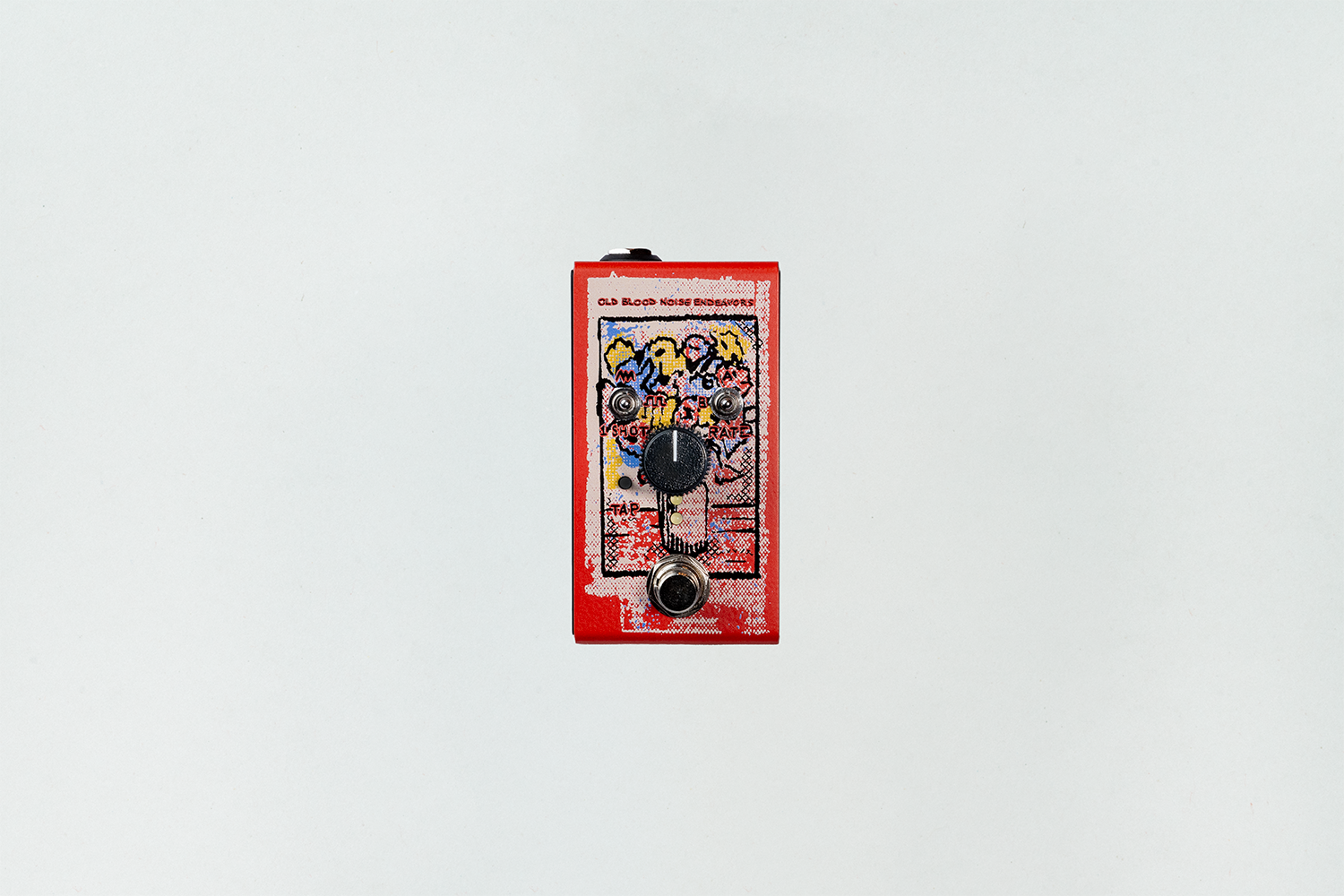
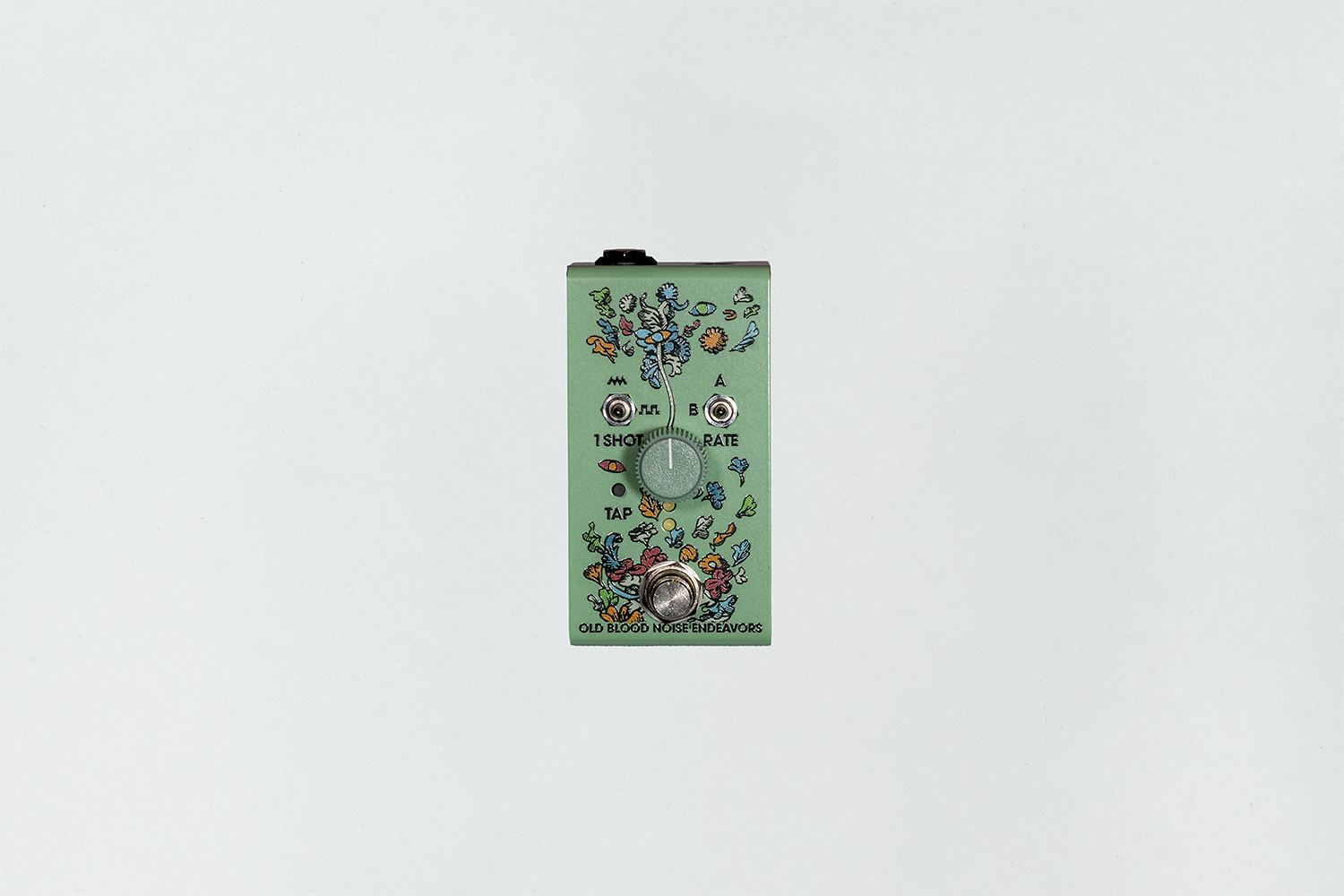
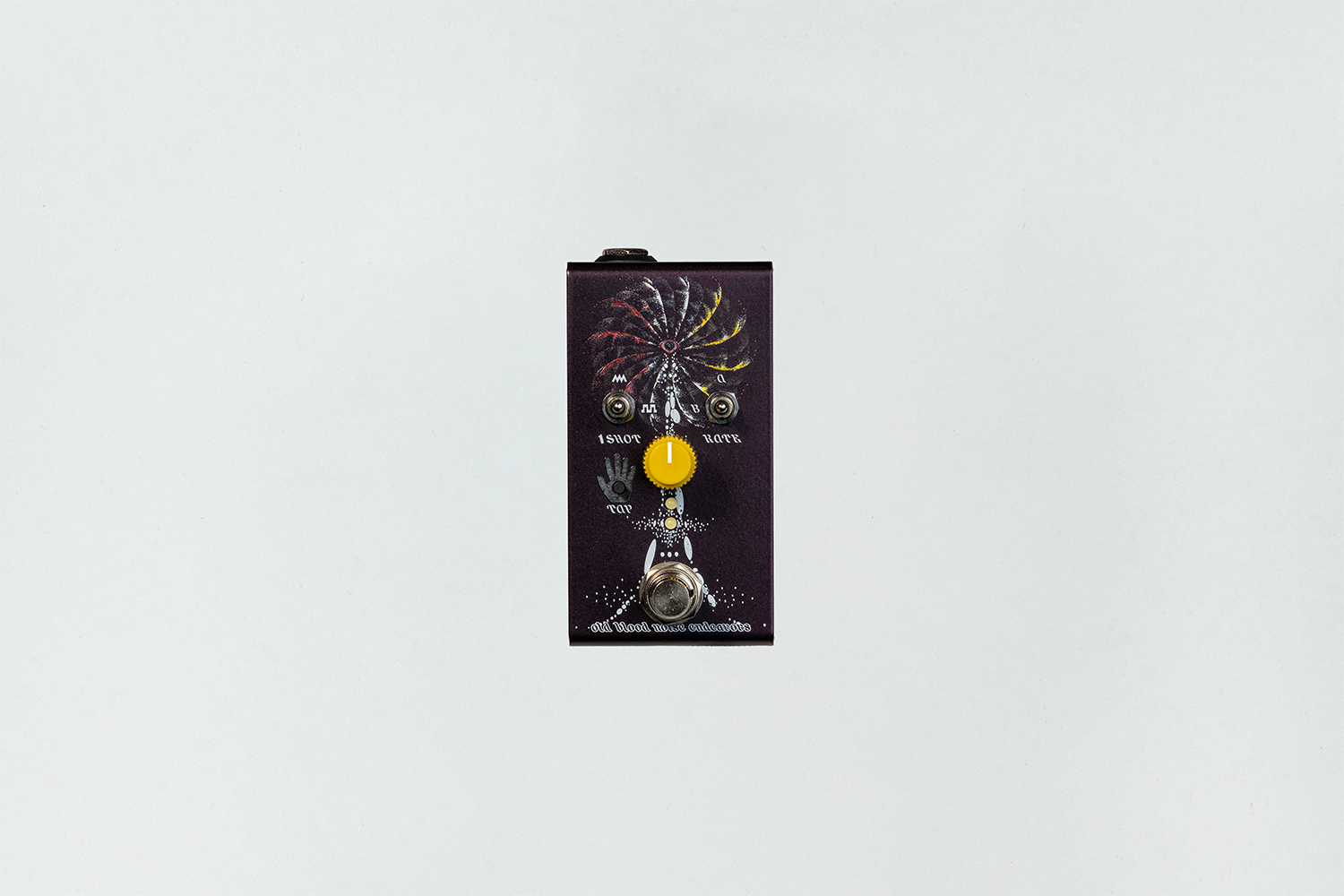
Expression Ramper allows you to pick two expression settings (A and B) and move between them, either in one motion or as a continuous LFO activated by a footswitch. The mini enclosure size takes up minimal space while creating new sounds out of any pedal with an expression input.
Controls include:
Shape toggle to determine LFO motion (triangle, square, or one-shot)
Alternate wave shapes accessible via Tap switch (smooth random, sharp random, or one-shot random)
Assignable knob to set A position, B position, and LFO Rate
Tap switch to set rate via tap tempo
Footswitch to set expression output in motion, with momentary or latching operation
Internal configuration for TRS, TRS reverse polarity, and TS configurations, as well as ability to replace built-in 50K digipot with 10K or 100K versions
For more information, see the Expression Ramper manual available here.
Requires 9V DC center negative 2.1mm jack power supply capable of 50mA (not included).
Dimensions: 2” (width) x 3.75” (height) x 2” (depth).
The art of Expression Ramper HK is by Holey Kids.